
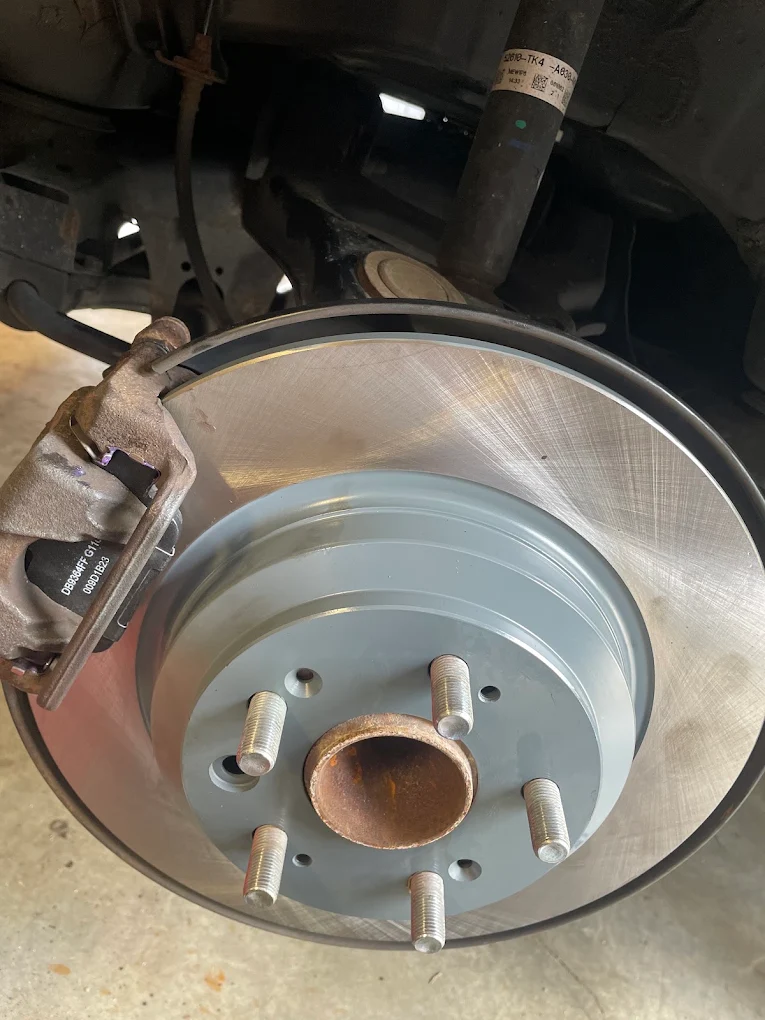
Ceramic pads stop smoothly and consistently in normal driving, but can lose some effectiveness when they get very hot. The difference shows up under heavy loads. AAA advises following your vehicle maker's recommended pad type first.
Stopping power differs most under heat and heavy loads
The gap opens when brakes run hot. Semi-metallic pads hold their grip, while ceramic pads can fade during long stretches of hard braking.
- AAA puts the metal share of semi-metallic pads anywhere from 30 to 70 percent, mostly iron, steel and copper.
- Semi-metallic: responds quickly from the first press, even when the weather is cold or wet, according to AAA.
- Semi-metallic: the metal pulls heat away, which helps it keep stopping on mountain grades or when towing.
- RealTruck rates semi-metallic higher for performance and fade resistance. It rates ceramic as middling on both.
- Ceramic: the bite feels softer at first, which drivers used to semi-metallic pads may notice.
Noise, dust, rotor wear and cost come with the extra bite
The stronger stopping of semi-metallic pads has costs elsewhere. Ceramic pads give up some heavy-duty bite in exchange for a quieter, cleaner ride and longer rotor life.
- Noise: ceramic is close to silent in normal braking. Semi-metallic can squeal or grind.
- Dust: ceramic dust is light and fine. Semi-metallic dust is dark and gritty and can leave rust stains on wheels.
- Rotors: semi-metallic is more abrasive and can shorten rotor life. Ceramic is gentler on them.
- Price: ceramic pads generally cost more upfront. Semi-metallic is usually cheaper.
- Pad life: the sources disagree. AAA says ceramic lasts longer, while RealTruck says semi-metallic pads often outlast ceramic.
Which pad fits how you drive
How you drive decides it. If you tow, haul, drive steep grades or brake hard often, semi-metallic is the usual pick. If your driving is mostly commuting and errands, ceramic gives enough stopping power with less noise and dust.
- Daily commuter or family car: ceramic, for smooth, quiet, low-maintenance stops.
- Truck, SUV, towing or hauling: semi-metallic, because it resists heat under load.
- Spirited or performance driving: semi-metallic, for its bite and its fade resistance in repeated hard stops.
- Still unsure: AAA notes that hybrid pads mix ceramic's quiet running with semi-metallic's heat handling.
- Before you pick, check the pad type your vehicle maker recommends in the owner's manual.
Switching pad types means checking fit and the rotors
You can move from semi-metallic to ceramic or the other way, as long as the new pads suit your vehicle. When you change pad type, AAA suggests having the rotors inspected or resurfaced so the new pads seat properly.
Our brake work covers pads, rotor inspection and rotor replacement when needed. It also includes checks of the calipers, brake hoses and brake lines.
Choosing who fits your pads: price approval, warranty and a mobile visit
We're a mobile service, so we come to you. After assessing the vehicle, we explain the work it needs and its price. Work begins only after you approve that price. California, MD is inside the area we confirmed for brakes.
- Ask for the total price, and ask that no services be added without your approval.
- We offer a parts and labor warranty. Ask about coverage when booking.
- We're certified. Ask about certification details when booking.
- Timing depends on the vehicle and the work needed. We discuss it when you book or after the inspection.
Common questions
Which has more stopping power, ceramic or semi-metallic brake pads?
Semi-metallic pads usually have a sharper initial bite and keep working better under extreme heat. Ceramic pads give steady, ample stopping power for normal driving.
Are ceramic pads a good choice for towing?
They can lose effectiveness under heavy loads or high temperatures. That is why the sources point towing and hauling vehicles toward semi-metallic pads. Follow your vehicle maker's recommendation.
Do semi-metallic pads wear out rotors faster?
Yes. Their harder metal fibers are more abrasive and can shorten rotor life. Ceramic pads are gentler on rotors.
What happens next
Our brakes and safety service in full